On this page we outline a few different types of prayer that can help you strengthen your personal relationship with God in your own time. We have also provided links to external prayer resources that members of Church on the Corner find helpful.
You can check out our group prayer activities here!
Contemplative Prayer

Contemplative prayer is the practice of sitting in silence, awaiting an experience of the God whose presence is ‘not far from each one of us’ (Acts 17:27).
Contemplative Prayer can be seen as resting in the presence of God – sinking in to the reality that our identity is found not in what we do or say, but in the relationship of love with our Creator. It is fundamentally an emotional experience that works to augment our logical understanding of who God is with a deeper sense that we are beloved by Him.
It is something that requires practice, and it can feel like a struggle to still ourselves and unite heart and mind. But in time it becomes a deeply moving and refreshing discipline.
Resource: It might be useful to attend one of our Silent Space sessions for an example of how contemplative prayer can be done. Sue, who runs Silent Space, would be happy to talk with you about how this practice can be adapted for personal prayer.
Intercessory Prayer
Intercessory prayer is, at its core, the practice of praying for God’s Kingdom of peace, joy, and justice to come ‘on earth as it is in Heaven’. This includes praying for an end to hardship in our community and our world, praying for people we know who may be facing difficulties, and praying for ourselves when we are suffering.
People sometimes find intercession difficult. We can struggle to know what to pray for. We can doubt whether prayer is the best answer to the material reality of pain, suffering, and injustice.
But intercession is vitally important.
By bringing personal and systemic suffering before our God who ‘so loved the world that He gave His only son’ (John 3:16), we enter into the pain of others alongside Him, and allow Him to orient our hearts and minds toward others. At times, we may be the answer to our own prayers – through the process of intercession, God may place the desire in our heart to do something about the thing we are praying for. At other times – especially when praying about big global or national issues that we find upsetting – intercession can bring us great comfort as it allows us to do something.
Ultimately, we intercede in the knowledge that Jesus has overcome sin and death through His sacrifice on the cross, and that in time the world will be transformed to reflect this – becoming a place in which ‘there shall be no more death, neither sorrow, nor crying, neither shall there be any more pain’ (Revelation 21:4). Intercession, then, is the way we pray for what has already been accomplished to be made visible!
Daily Office
The ancient tradition of the Daily Office – morning, midday, evening, and night prayers – offers a structure and rhythm that some Christians find helpful. This structure takes us by the hand and leads us into prayer and worship, which is especially useful when we are tired, or don’t know how to pray.
This tradition is usually associated with ‘higher’ (Catholic and Anglo-Catholic) parts of the Church. However, in recent years there has been increased interest in structured daily prayer among the ‘lower’ (Evangelical) parts of the Church as well.
Resource 1: John Mark Comer, a pastor from the US, discusses structured prayer times (among other ‘spiritual disciplines’) in his influential Practicing the Way course.
Resource 2: Red Letter Christians UK has produced a daily devotional based on the Daily Office tradition: ‘Living for Jesus & Justice: Daily Prayers for Ordinary Radicals‘.
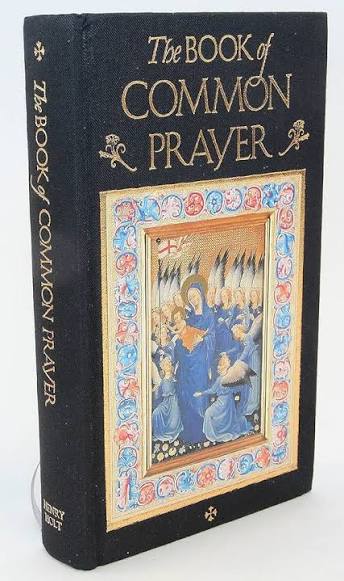
Resource 3: If you would like to follow the more traditional Church of England Daily Office, you can find it in the Book of Common Prayer, or on the Daily Office app.
Lectio Divina
Lectio Divina is another ancient practice that involves meditating on a passage from the Bible.
It is best to choose a short passage – the words of Jesus can be particularly powerful. Start by stilling yourself, and praying for the Holy Spirit to illuminate God’s word. Then follow these steps:
- Read. Read the passage out loud, slowly and prayerfully. Be aware of any phrases or words that stand out to you.
- Meditate. Read the passage a second time, concentrating particularly on the words and phrases that stood out to you. What might God be saying to you through them? Is there any application in your life?
- Pray. Read the passage a third time. Pray to God about your own difficulties, hopes, joys, and woes that have come up through reading the passage – incorporating phrases, words, and themes from the passage.
- Contemplate. Read the passage a fourth time. Sit for a while and ask yourself: ‘what is the one thing from this passage that I will take into my day/week?’.
Resource: Lectio 365 is a brilliant app that can guide you through daily Lectio Divina practice in an engaging way.
The Ignatian Examen
Ignatius of Loyola was a 16th Century Spanish knight who became the founder of the Society of Jesus (a.k.a. the Jesuits). The Examen is based on the practice he taught of reflecting on the events of the day to discern God’s presence and leading in our lives.
To conduct the Examen, follow these steps:
- Still yourself and acknowledge God’s presence
- Review the day as a gift from God.
- Identify points of ‘desolation’, i.e. places where you turned away from God or came up against difficulties. Pray to God with a focus on this ‘desolation’.
- Identify points of ‘consolation’, i.e. places where you felt God’s presence and leading in your life, and where you felt deep joy and gratitude. Pray to God with a focus on this ‘consolation’.
- Choose one feature of the day and pray from it for greater understanding.
- Look toward tomorrow.
Resource: The ‘Pray as You Go’ app has a useful ‘Examen’ feature to guide you through this type of prayer. Get the app here.
Prayer Walking
Prayer walking is the practice of intentionally, prayerfully walking around your local area while asking God to bring peace, joy, and justice to your neighbours.
Prayer walking around your local area, God will help you to better understand your community, and to notice the places and people who are in need of love. Make sure you walk around and notice those parts of your neighbourhood that you’d normally avoid.
When prayer walking, plan for two or three stops on your route. As you walk, ask God to give you eyes to see the joy and pain of your neighbourhood. At each stop, enter into a more concentrated period of prayer, thanking God for the joys you have witnessed and asking Him to help those who are suffering.
Resource 1: Church on the Corner has a prayer walking group that meets every Friday at 12.15pm outside Euro Cafe, Caledonian Road, N1 1DT. Join us for some inspiration.
Resource 2: The House of Prayer for East London – located in Stepney Green and run by Rev’d Mark Bishop – is a great place to go and learn about prayer walking. You can contact Mark through the House of Prayer website.

